Sustainable Seafood
Sustainable and Responsible Fishing Practice
Master Fisherman Program
An OceanWatch Master Fisherman is trained and assessed to participate in environmentally sustainable and responsible fishing practices. The Program incorporates many of these aspects including: quality assurance, bycatch reduction devices and techniques, animal welfare, threatened species management, catch documentation, marine pests management, protection of habitat, pollution, indigenous fishing, fisheries management and workplace health and safety, etc.
Training is facilitated by OceanWatch Australia and assessment is overseen by the NSW Fishing Industry Training Committee, linked to the national Seafood Industry Training Package and industry wide codes of practice.
Each Master Fisherman is working according to NSW Food Safety Plans and hold relevant maritime competencies specific to their individual endorsement needs.
Codes of Practice
An OceanWatch Master Fisherman voluntarily adopts industry Codes of Practice. These codes are a commitment to environmental best practice and are aligned with the principles and objectives of the United Nations Food and Agriculture Organisation.
- NSW Estuary General Fishery Code of Practice
- NSW Trawl Fishery Code of Practice
- NSW Northern Zone Trawl Fishery Code of Practice for Reducing Seabird Interactions
- NSW Ocean Haul Fishery Code of Practice
- NSW Ocean Trap and Line Fishery Code of Practice
- NSW Ocean Trap and Line Fishery Code of Practice for Reducing Whale Entanglements
- NSW Lobster Fishery Code of Practice
Environmental Impact Statements
An environmental impact assessment has been completed for each of the major NSW wild catch fisheries to help ensure they are managed in a sustainable way.
- Estuary General Fishery EIS
- Estuary Prawn Trawl Fishery EIS
- Ocean Hauling Fishery EIS
- Ocean Trap and Line Fishery EIS
- Ocean Trawl Fishery EIS
- Lobster Fishery EIS
Fisheries Management Strategies
Fisheries management strategies are guidelines for NSW professional fisheries, developed with an intent to accredit fishing activities in NSW as sustainable under both State and Commonwealth legislation.
- Estuary General Fishery FMS
- Estuary Prawn Trawl FMS
- Ocean Hauling Fishery FMS
- Ocean Trap and Line Fishery FMS
- Ocean Trawl Fishery FMS
- Lobster Fishery FMS
Bycatch Reduction Devices (BRD)
Professional fishermen in Australia implement bycatch reduction devices (BRDs) to minimise impacts on biodiversity, reduce unnecessary handling, and to avoid catching tomorrow’s catch today.
NSW Estuary Prawn Trawl Fishery
Nordmore Grid
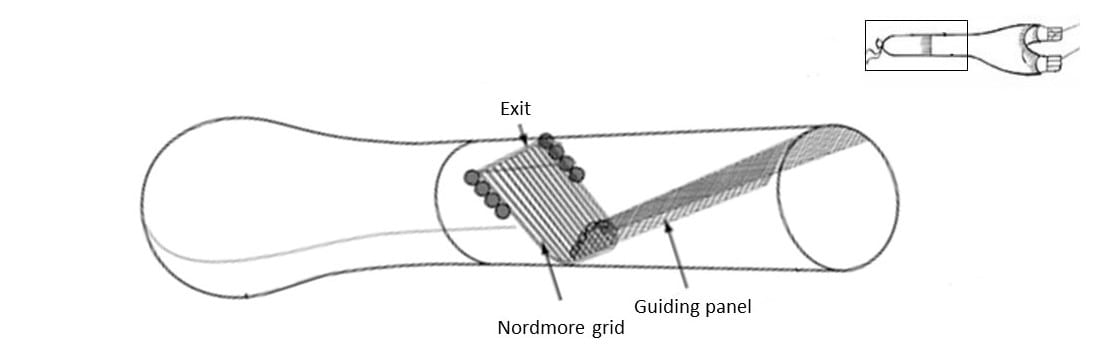
A guiding panel directs the catch toward the bottom of the grid. Large animals are guided by the grid towards an escape opening at the top of the codend, whilst prawns pass through the grid and enter the codend.
Square Mesh Codend
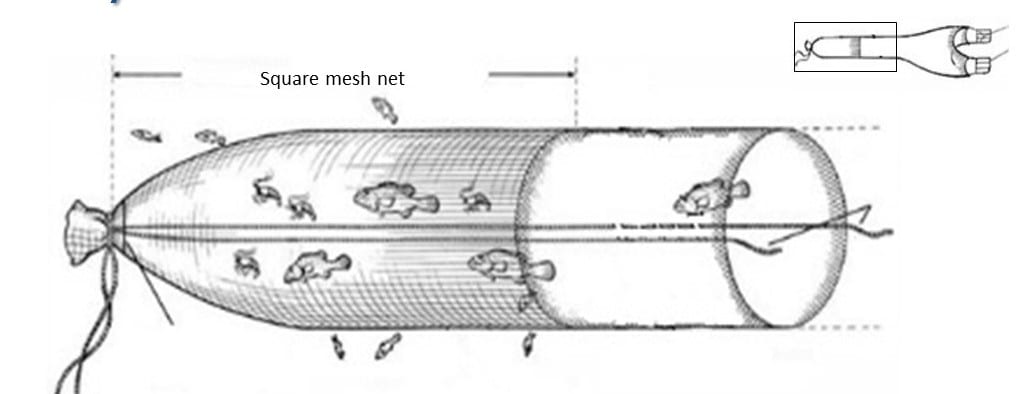 The codend of the mesh is made of a square mesh. The orientation of the mesh in this bycatch reduction device maintains the mesh opening allowing juvenile prawns and fish to escape whilst trawling.
Square Mesh Panel
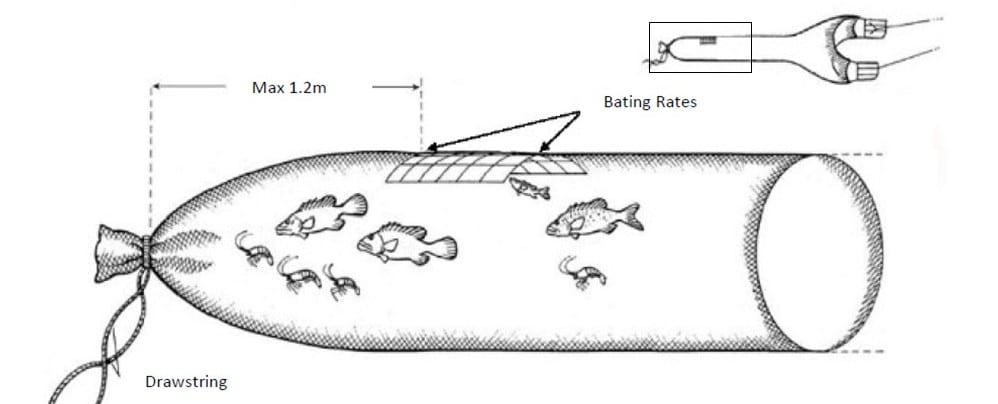
This device is constructed from a panel of square mesh that is specifically designed to exclude smaller fish from the catch.
Large mesh openings
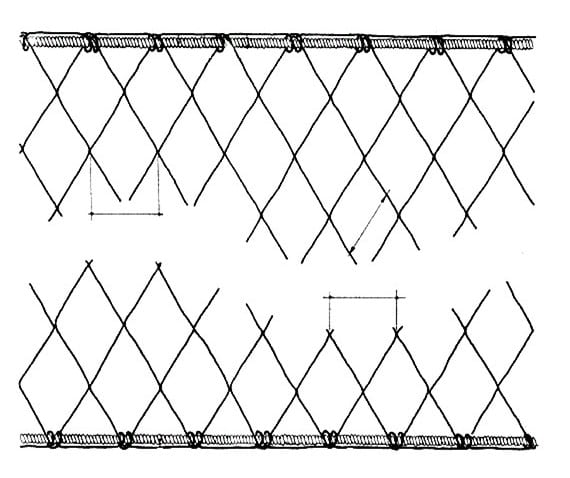
To reduce the bycatch of juveniles, and non-target species the mesh netting used in the ocean beach haul fishery is altered to have larger mesh openings depending on size and morphology of the targeted fish species. The size and shape of the mesh openings, as well as the type of netting material are all important to ensure only targeted species are captured.
More about Seafood Sustainability in Australia
Mitigation Seabird Predation
Food Safety Plans
NSW Food Authority food safety plans are audited yearly to ensure best practice handling, storage and transportation of seafood, guaranteeing exceptional quality and product safety.